
What Art to Put on a Big Empty Wall (Without Overthinking It) + The Zero-Grout Backsplash Trick Designers Love
What Art Goes on a Big Empty Wall?
We hear this constantly:
“What do I put on a giant living room wall?”
“How big should art be over a bed?”
“What do I do with a slanted ceiling?”
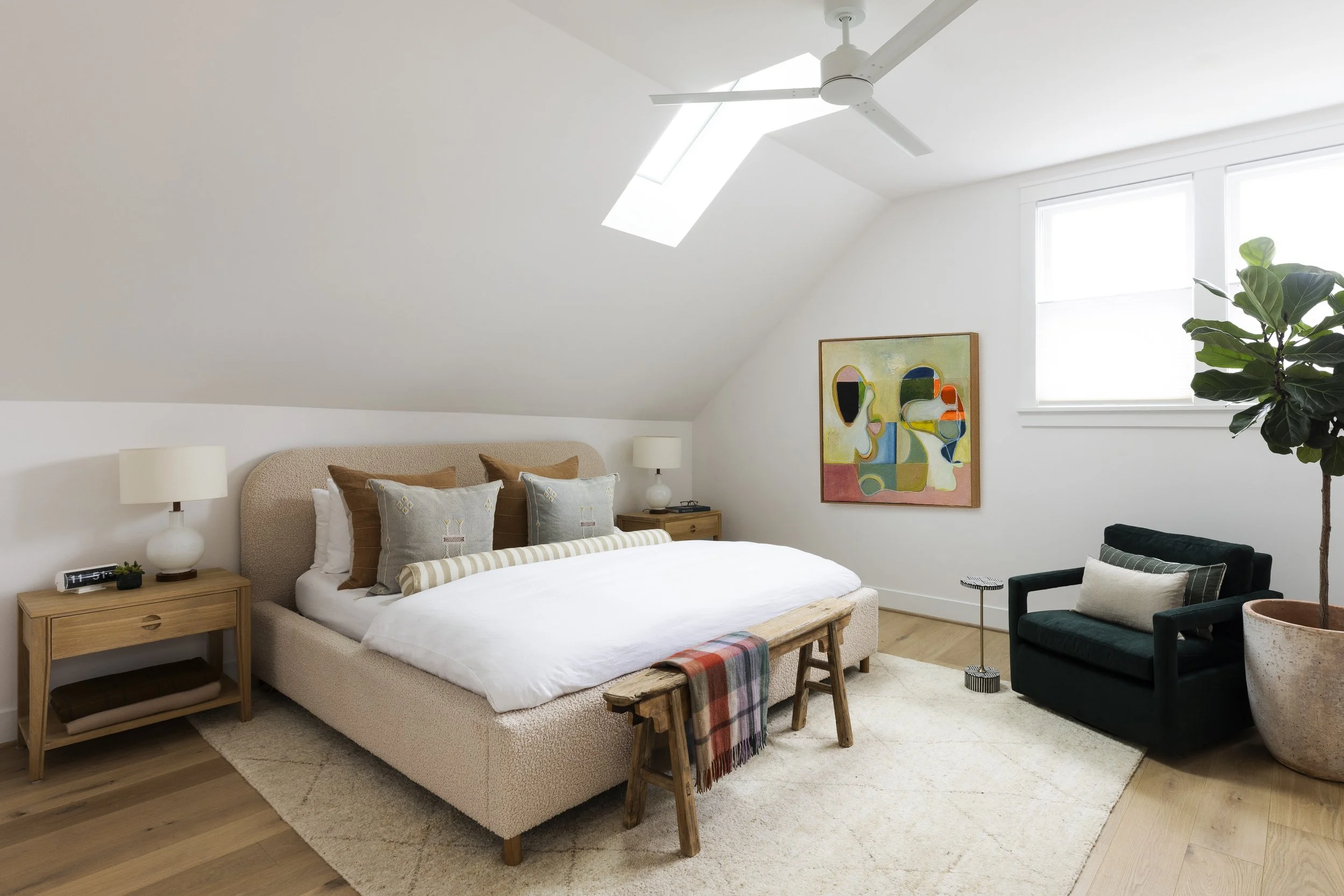
In our latest YouTube episode, we walk through how we selected art for the Firehouse primary bedroom — including that tricky sloped ceiling moment.
Here’s the framework we use every time.

1. Start With Scale (Not Color)
The #1 mistake homeowners make?
Buying art that’s too small.
If you have a large wall:
Go oversized (one large piece)
Or group 2–3 substantial pieces
Or build a tight gallery with intention
Tiny art on a big wall makes the wall feel bigger and the art feel accidental.
When in doubt, size up.
2. Match the Mood of the Room
Before choosing art, ask:
Do I want this room to feel:
Calm?
Bold?
Playful?
Grounded?
Color matters — but feeling matters more.
In Firehouse, we pulled warmth from the textiles and wood tones so the art felt integrated, not random.
3. Awkward Angles Need Intention
Sloped ceilings? Stairwells? Long hallways?
You have options:
Lean art on a picture ledge
Anchor around a center line
Use vertical orientation to complement slope direction
Awkward doesn’t mean impossible. It just means you need a plan.
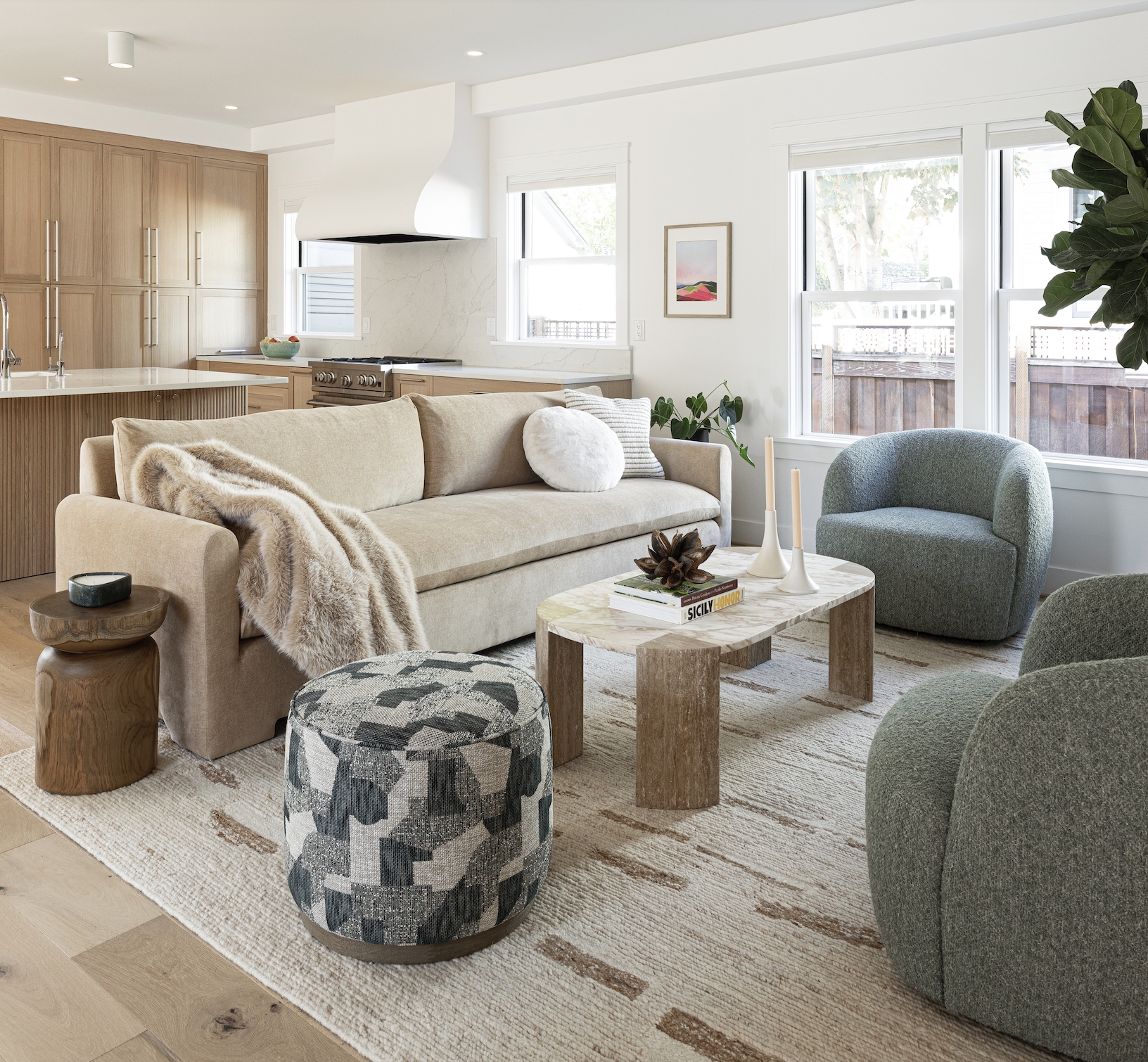
Firehouse Living Room
The Zero-Grout Backsplash Trick That Instantly Elevates a Kitchen
Now let’s talk tile.
Before you open 37 tabs comparing “Sea Salt” to “Mist Gray,” pause.
Here’s our design PSA:
Use your countertop material as your backsplash.
Same slab. Run it up the wall.
It’s sleek. It’s minimal. It removes grout lines (aka visual noise). And it instantly makes your kitchen look more custom.
But — don’t just wing it.
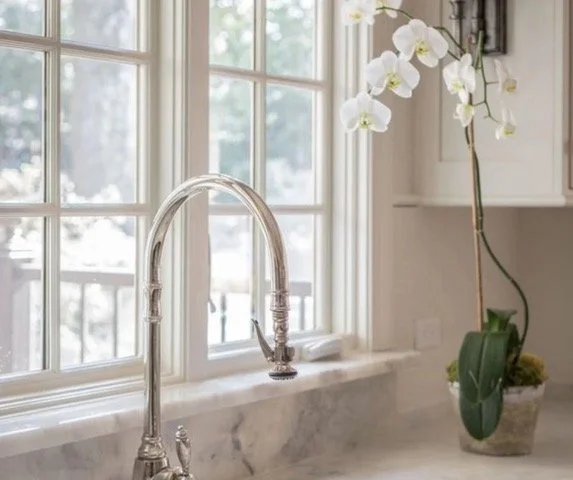
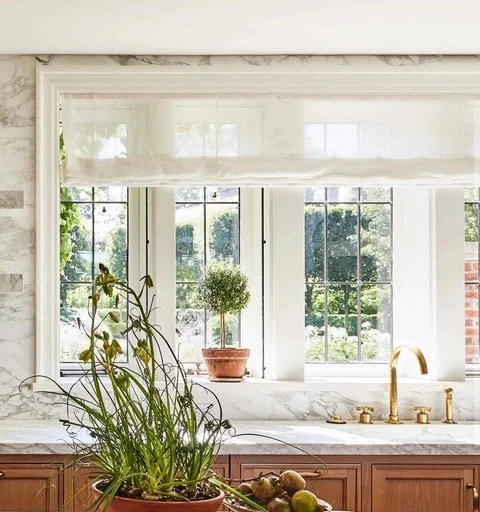
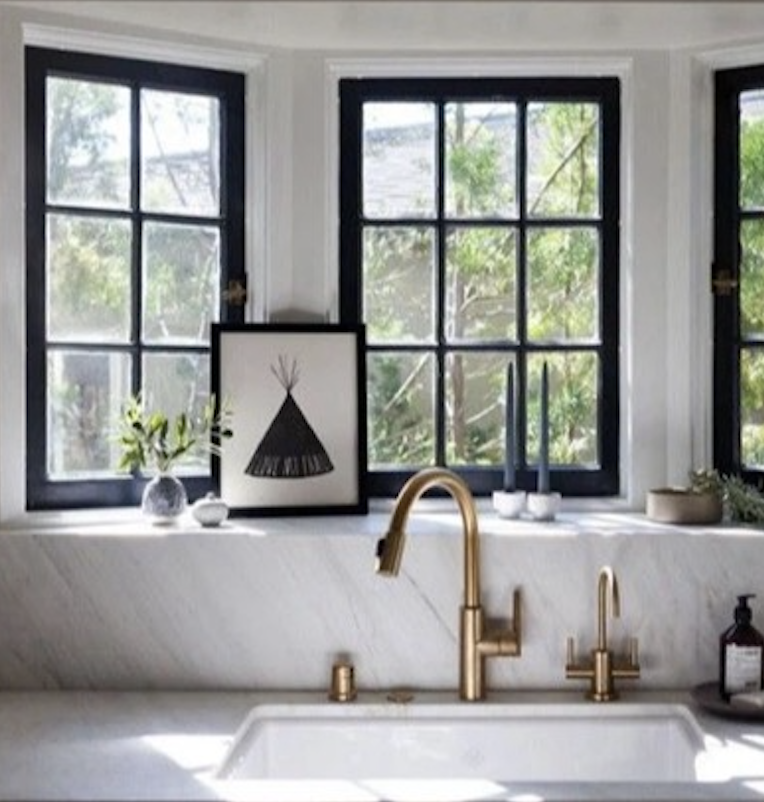
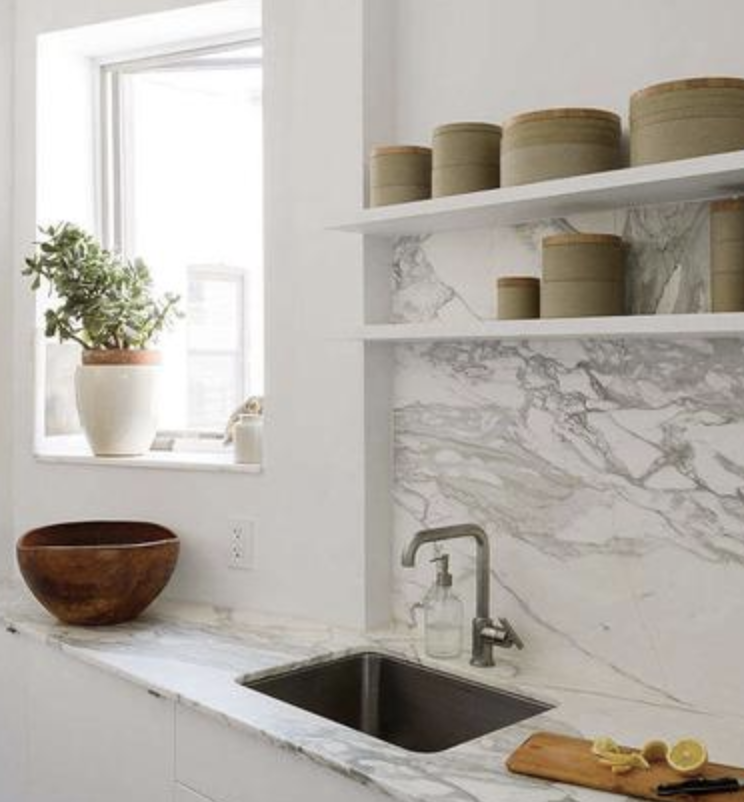
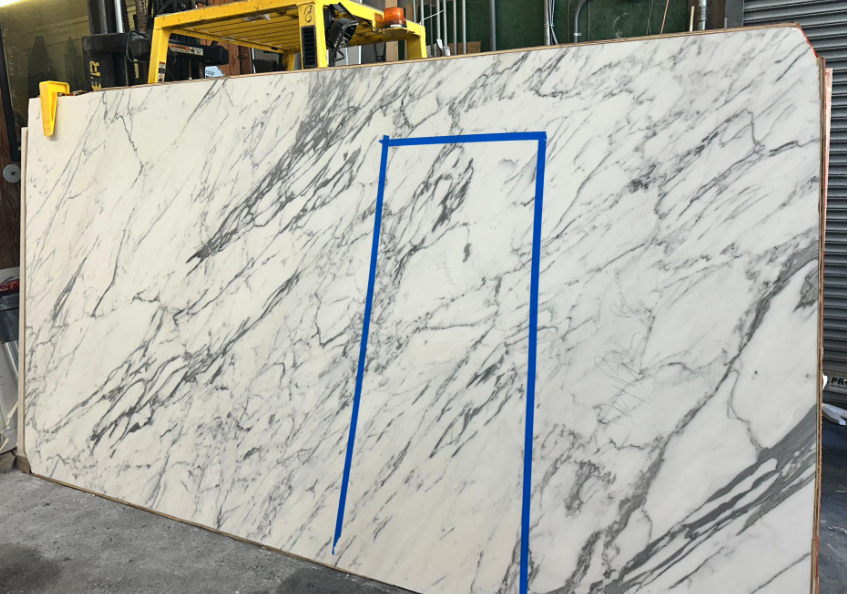
The slab we picked for our Patton Lane project to be the counter and backsplash.
What to Consider Before Installing a Slab Backsplash
Thickness Matters
2cm is typically better for vertical application.
3cm can feel chunky if not detailed carefully.Outlet Placement Is Critical
Stone cutouts are not forgiving. Plan your layout so outlets don’t interrupt a dramatic vein.Go to the Slab Warehouse
Bring painter’s tape. Block out your backsplash area on the slab. Choose your “moment” — that swirl or vein — and center it behind your range.Do not let someone else freestyle this.
Decide Your Edge Detail
Sharp? Eased? Wrapped?
Own the detail. Don’t let it default.
Fewer materials. Fewer grout lines. Fewer regrets.
Teal’s Mother’s Day Picks (Because Sometimes You Buy Your Own Gift)
Let’s be honest.
Sometimes Mother’s Day means:
You ordering your own gift.
Teal’s current favorites:
A signature fragrance (buy it for yourself)
An easy NARS makeup stick she swears by
A tote + flowers combo that feels effortless
Spoil yourself. Or your mom-friend crew.



Still Staring at That Blank Wall?
If you want hands-on guidance, our PowerHour is one high-impact virtual hour where we:
Fix art scale issues
Adjust layout flow
Choose finishes
Solve backsplash dilemmas
Or rework an entire room strategy
👉 Book a PowerHour and let’s make decisions you won’t regret.
And if you’re new here, Substack is where we break down real projects, real decisions, and real budgets. Be sure to subscribe so you don’t miss what’s next!