
How to Master the Wood-on-Wood Kitchen (Without It Feeling Heavy or Dated)
We hear this all the time:
“Can I do wood cabinets if I already have wood floors?”
“Won’t it feel too dark?”
“Is wood-on-wood a mistake?”
Short answer? No.
Long answer? Only if you ignore texture.
Problem #1: It Feels Monotonous
When homeowners layer wood without contrast, the room feels flat.
The solution? Introduce variation.
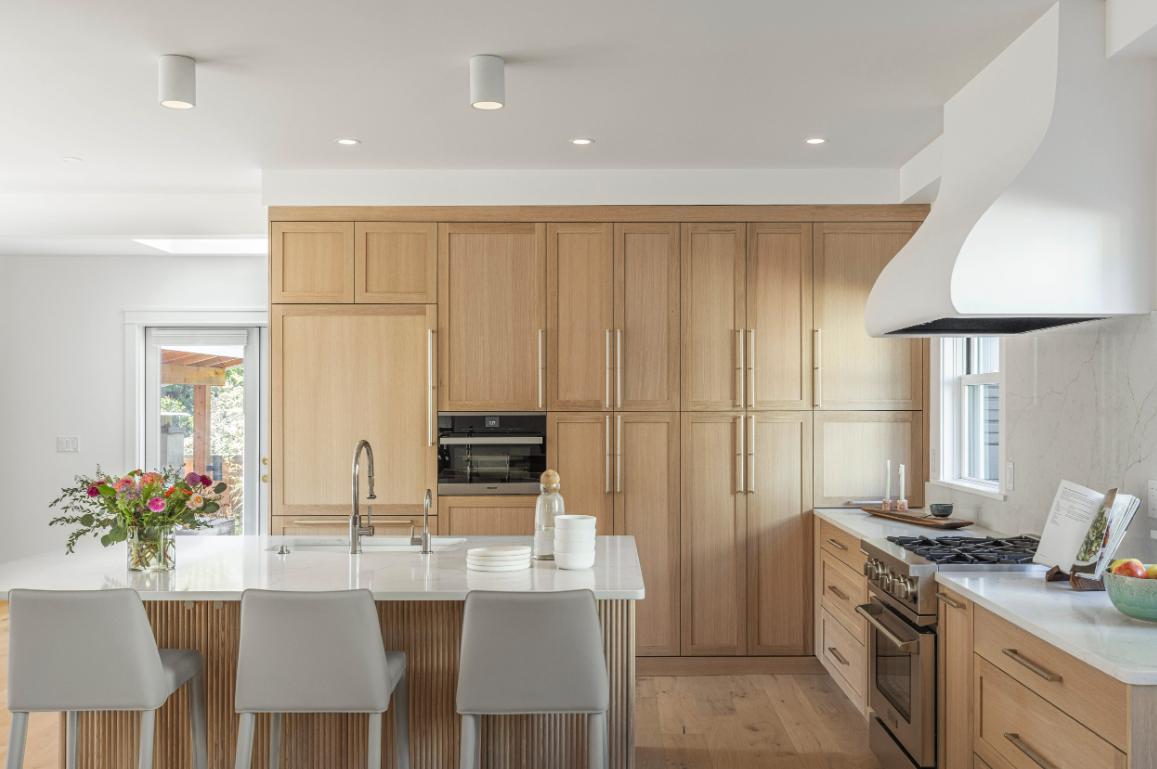
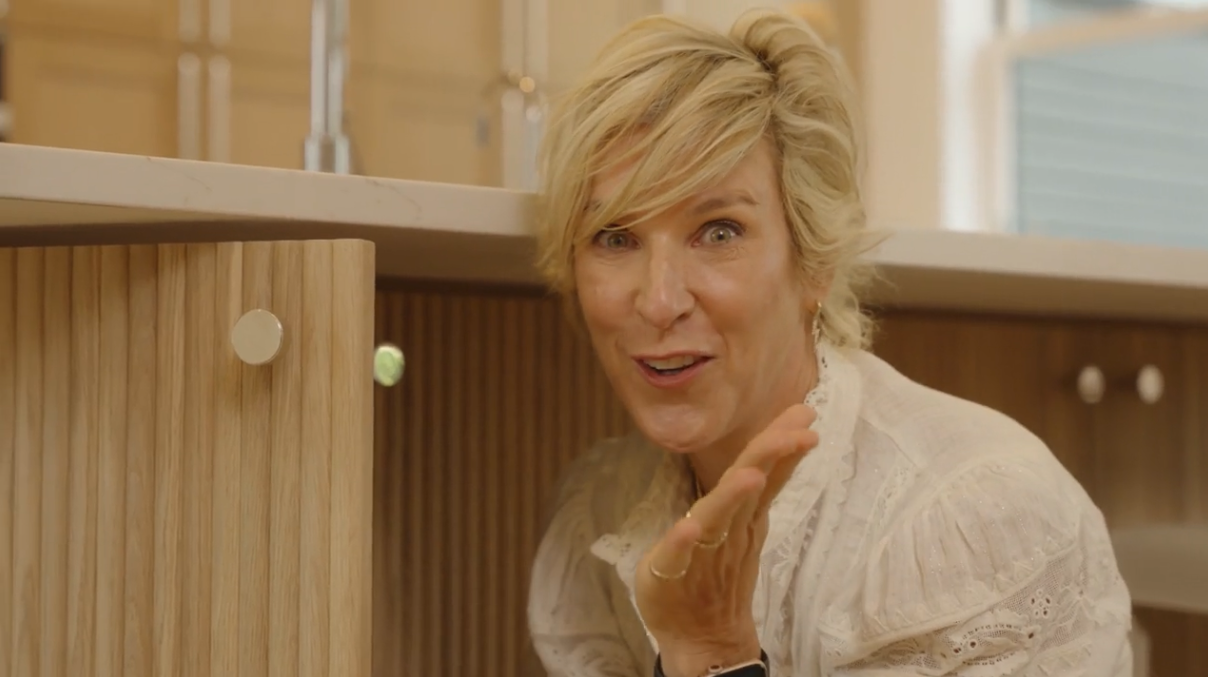
At Firehouse, we incorporated tambour detailing on the island to break up smooth cabinet faces. The subtle vertical rhythm adds dimension and shadow play.
We also:
Rounded the island edges
Chose a complementary (not identical) stain
Let the floors remain visually quiet
Wood doesn’t need to match.
It needs to relate.
Problem #2: It Feels Too Heavy
Hardware matters more than people think.
We used oversized Emtek pulls with a knurled finish—think of them as the jewelry of the kitchen.
Polished nickel and brass add light reflection and sophistication. That small metallic contrast keeps the space from feeling dense.
If you’re Googling:
“How do I modernize wood cabinets?”
Start with hardware.
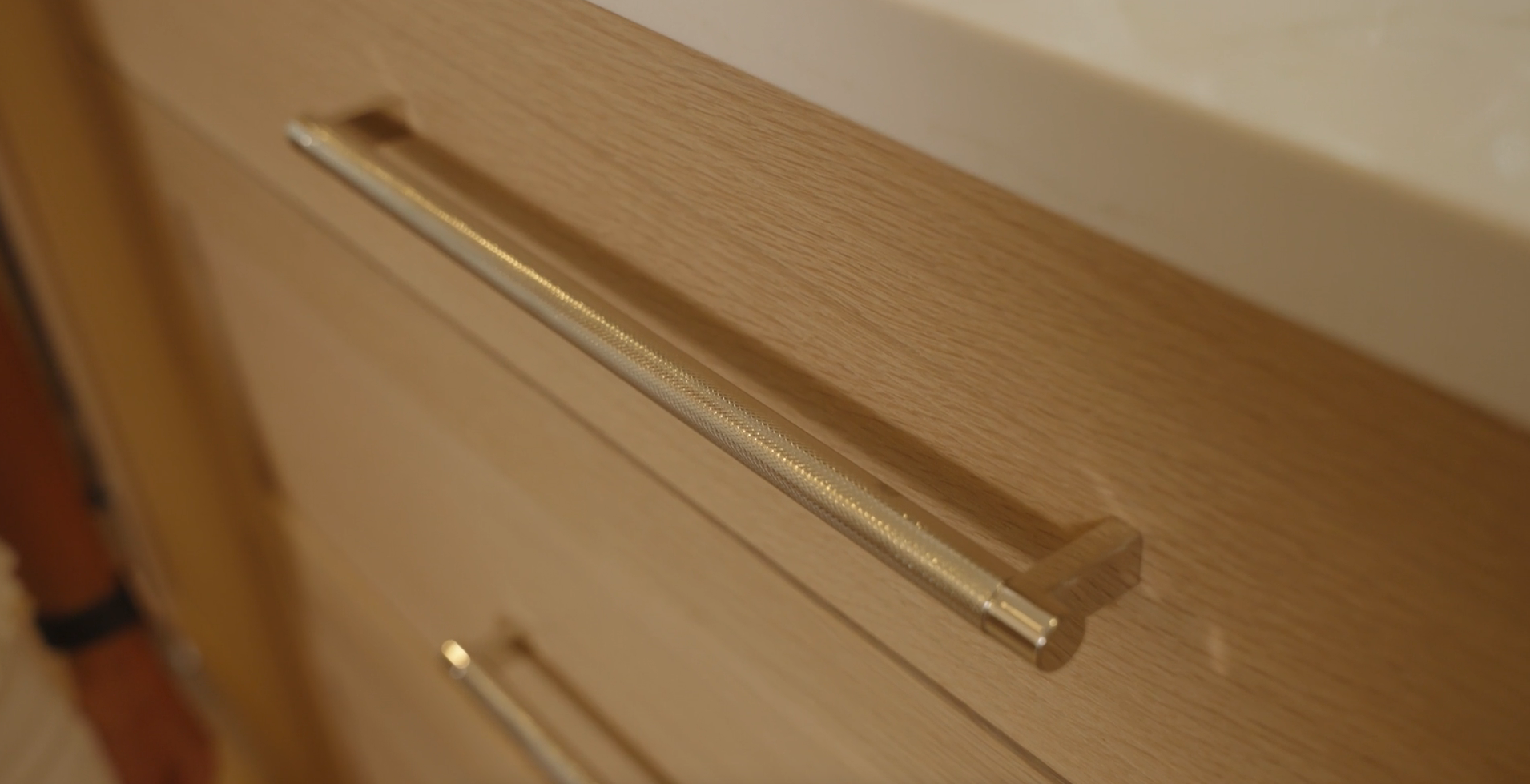
Elevate your kitchen game with Emtek’s polished nickel cabinet pull! Pro tip: when it comes to long drawers, opt for longer handles—aim for about 1/3 the length of the drawer for that perfect balance of style and functionality. It’s all in the details!
Problem #3: Clutter Kills the Look
Nothing makes a wood-on-wood kitchen feel dated faster than counter chaos.
Enter: the appliance garage.
With flip-up doors, small appliances disappear when not in use. Clean lines return instantly.
Add subtle color moments—textiles, fruit bowls, candlestick holders—without competing with the wood.
The Formula
✔ Vary wood tones
✔ Add texture (like tambour)
✔ Use statement hardware
✔ Hide clutter
✔ Layer light
Wood-on-wood isn’t risky.
Unintentional wood-on-wood is.
Feeling Overwhelmed by a Remodel?
If you’re in the middle of renovation chaos—or planning one—our Substack is where we break down real projects, real decisions, and real budgets.
We share:
Remodel strategy
Layout problem-solving
Investment priorities
What we’d never do again
👉 Subscribe so you don’t miss what’s next.